
1. Introduction to the Recipe
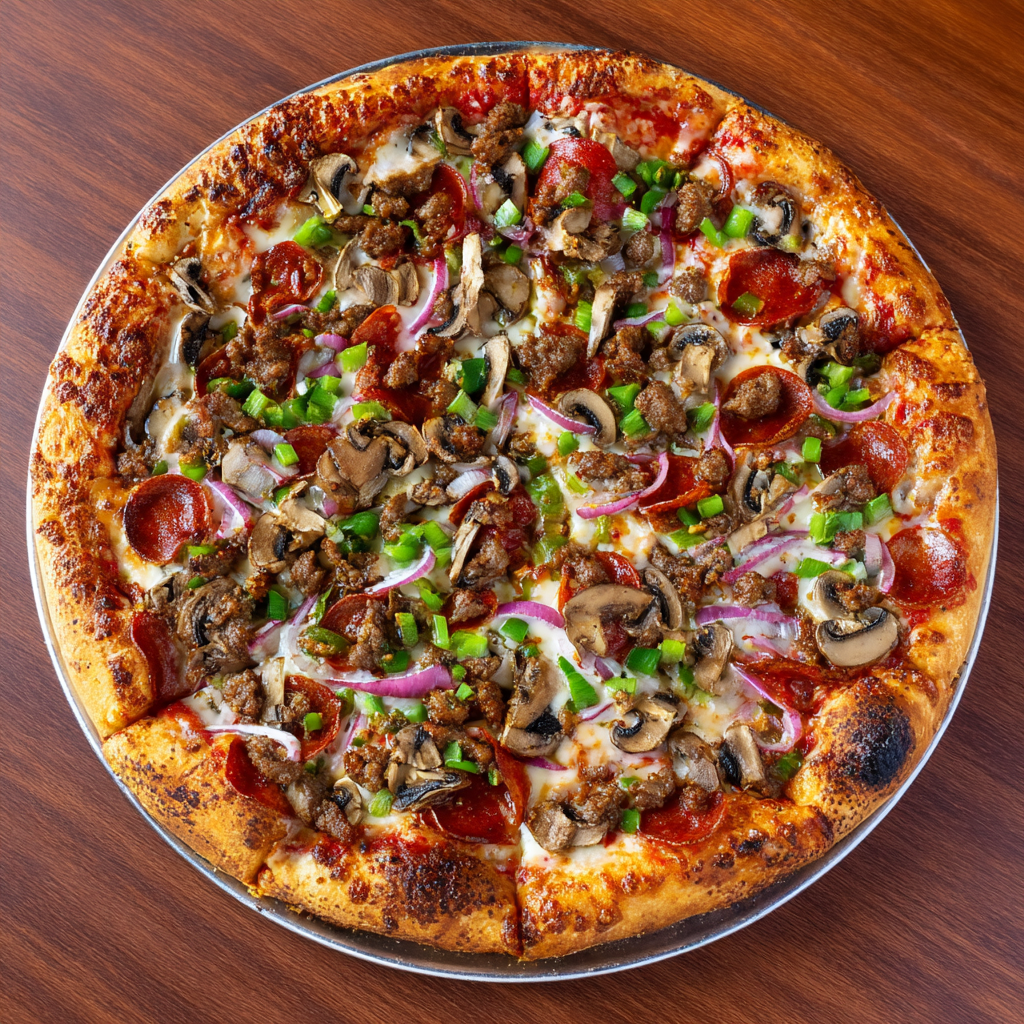
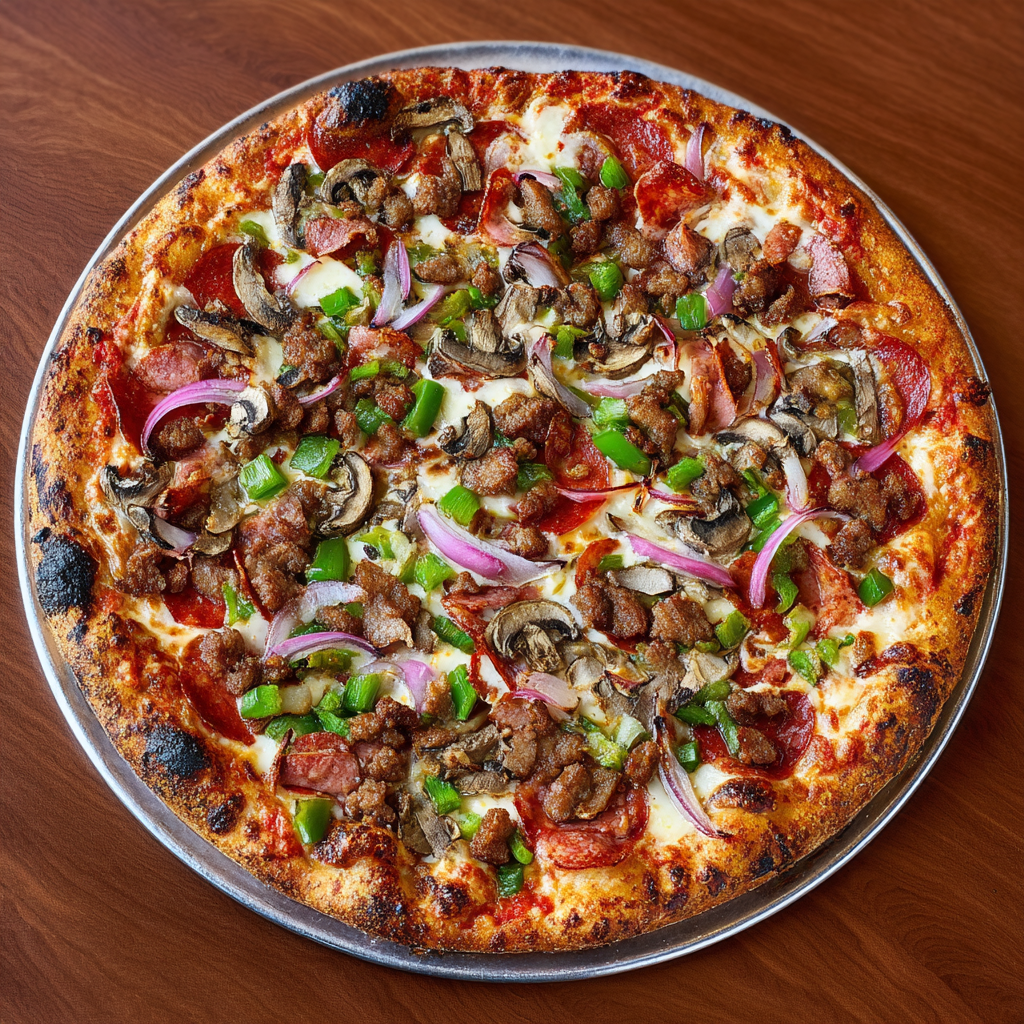
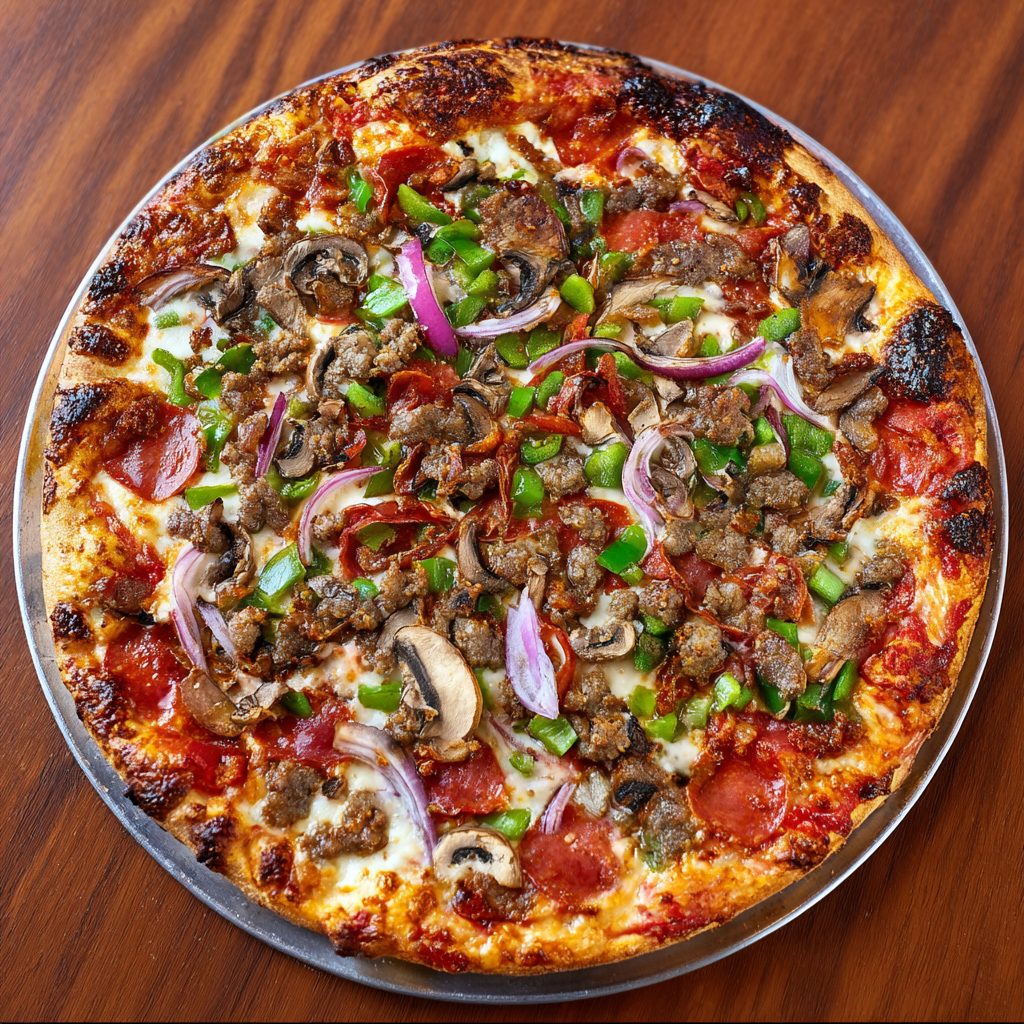
Few culinary experiences rival the satisfaction of biting into a perfectly baked pizza, with a crisp, chewy crust, rich tomato sauce, and fresh, melty cheese. If you love pizza but want to elevate it beyond the ordinary, making Artisan Pizza at home is a game-changer. Unlike standard delivery pizza, artisan-style pizza emphasizes high-quality ingredients, careful dough preparation, and thoughtful assembly. The result is a gourmet pizza with a thin, crisp crust, flavorful sauce, and balanced toppings, all made in the comfort of your kitchen.
What makes Artisan Pizza truly special is the attention to detail at every step. From using a hand-stretched dough, whether it’s your own Best Pizza Dough, a food processor dough, or a thin-crust variation, to dusting the pizza peel with semolina flour or cornmeal to achieve a perfect base, each choice enhances the final flavor and texture. The tomato sauce, made from crushed fire-roasted tomatoes or high-quality canned tomatoes, is lightly seasoned with garlic, olive oil, oregano, and salt, creating a sauce that’s bright, aromatic, and perfectly balanced. Topped with fresh mozzarella, Parmesan, or a blend of cheeses, and garnished with fresh basil leaves, this pizza becomes a canvas for flavor and creativity.
For those who enjoy kitchen experimentation, this recipe allows flexibility in toppings, sauce variations, and even the type of cheese used. For detailed tips on stretching pizza dough and selecting fresh mozzarella, you can further enhance your homemade artisan pizza experience. This recipe is perfect for date nights, weekend gatherings, or family dinners where everyone can enjoy a customizable, restaurant-quality pizza crafted entirely at home.
2. Basic Recipe: Ingredients and Instructions
Print
Artisan Pizza (Easy Homemade Gourmet Pizza Recipe)
Description
Artisan Pizza is a gourmet homemade pizza with fresh dough, fire-roasted tomato sauce, quality cheese, and aromatic basil leaves.
Ingredients
For the Pizza Dough:
- 1 ball Best Pizza Dough (or Food Processor Dough or Thin Crust Dough)
- Semolina flour or cornmeal, for dusting the pizza peel
For the Pizza Sauce:
- 1 small garlic clove (½ medium), minced
- 15 ounces crushed fire-roasted tomatoes or high-quality organic canned tomatoes
- 1 tablespoon extra virgin olive oil
- ½ teaspoon dried oregano
- Scant ½ teaspoon kosher salt
For the Toppings:
- ¼ to 1/3 cup pizza sauce
- ¾ cup shredded cheese or 2–3 ounces fresh mozzarella cheese
- Parmesan cheese, for garnish
- A few fresh basil leaves
Instructions
1. Preheat your oven.
Preheat your oven to 475°F (245°C). If using a pizza stone, place it in the oven during preheating.
2. Prepare the pizza sauce.
In a small saucepan, combine minced garlic, crushed tomatoes, olive oil, oregano, and salt. Simmer for 5–10 minutes over medium heat to allow flavors to meld. Remove from heat and let cool slightly.
3. Prepare the pizza dough.
Lightly dust a pizza peel with semolina flour or cornmeal. Stretch or roll your dough into a 10–12 inch circle. Avoid tearing the dough; it should be thin but strong enough to hold toppings.
4. Assemble the pizza.
Spread ¼ to 1/3 cup of prepared sauce evenly over the dough, leaving a ½-inch border around the edges. Sprinkle shredded cheese or place fresh mozzarella slices on top. Add Parmesan lightly and finish with a few fresh basil leaves.
5. Bake the pizza.
Slide the pizza onto the preheated pizza stone or baking sheet. Bake for 12–15 minutes, or until the crust is golden and the cheese is bubbly and slightly browned.
6. Serve and enjoy.
Remove the pizza from the oven, let it rest for 2–3 minutes, slice, and serve. Enjoy your freshly made Artisan Pizza with your favorite sides or dipping sauces.
Notes
For extra flavor, brush the crust edge with olive oil before baking.
Add toppings sparingly to avoid soggy crusts.
For a smoky flavor, broil for 1–2 minutes at the end of baking.
Use a pizza stone or steel for the crispiest crust.
3. Advanced Techniques
1. Mastering the Perfect Crust
Achieving a crisp, chewy crust requires both proper dough handling and baking. Allow your dough to rest at room temperature for at least 30 minutes before stretching. This relaxes the gluten, making it easier to shape without tearing. Dust the peel with semolina or cornmeal to prevent sticking, and bake on a preheated stone or steel to create a professional-quality crust.
2. Enhancing Sauce Flavor
Simmering the sauce gently allows the flavors of garlic, tomatoes, oregano, and olive oil to meld. For extra depth, add a pinch of red pepper flakes or a splash of balsamic vinegar. This step ensures that each bite bursts with balanced, vibrant flavor.
3. Cheese Blending Techniques
Combining mozzarella with a small amount of Parmesan or provolone creates complexity in flavor and texture. Use fresh mozzarella for creaminess and shredded cheese for even melting. Layer cheeses strategically to avoid clumping or excessive oil release.
4. Optimal Baking Strategy
Baking at high heat ensures a crispy crust and properly melted cheese. For extra char and authenticity, finish with a quick 1–2 minute broil. Monitor closely to prevent burning while achieving the perfect balance of crispy edges and chewy center.
5. Creative Topping Variations
Experimenting with toppings transforms your pizza experience. Try caramelized onions, roasted vegetables, prosciutto, or arugula for gourmet flair. Adding toppings sparingly maintains a balance of flavors and prevents the crust from becoming soggy or heavy.
4. Storage, Shelf Life, and Maintenance Tips
1. Serving Fresh is Best
Artisan Pizza tastes best immediately after baking. Freshly baked crust and melty cheese deliver optimal texture and flavor.
2. Refrigeration of Leftovers
Store leftover pizza in an airtight container in the fridge for up to 2–3 days. Reheat in a preheated oven or skillet to maintain crispiness.
3. Freezing for Future Meals
Wrap baked pizza slices tightly in plastic wrap and foil. Freeze for up to 2 months. Reheat directly in the oven at 375°F (190°C) for 8–10 minutes to restore freshness.
4. Preventing Soggy Crust
Store pizza uncovered or lightly ventilated to avoid moisture buildup. Avoid stacking slices while hot. Re-crisp in a hot oven if the crust softens.
5. Proper Cheese Storage
Keep fresh mozzarella wrapped in its liquid or airtight container until ready to use. Shredded cheeses should be refrigerated and shredded just before baking for best melting results.
5. Dietary Adaptations and Substitutions
1. Gluten-Free Option
Use gluten-free pizza dough to accommodate gluten sensitivities. Ensure your baking surface is clean and dusted with gluten-free flour or cornmeal.
2. Low-Carb or Keto Version
Substitute traditional dough with cauliflower crust or almond flour dough. Pair with mozzarella and minimal tomato sauce for a keto-friendly pizza.
3. Vegan Variation
Use plant-based cheese alternatives and olive oil-based dough. Skip dairy Parmesan and add nutritional yeast for cheesy flavor.
4. Extra Flavor Boosts
Incorporate fresh herbs like thyme, oregano, or basil into the dough or sauce. Add roasted garlic or chili flakes for a gourmet twist.
5. Protein-Enriched Option
Add toppings like grilled chicken, shrimp, or turkey pepperoni to increase protein content without compromising flavor or texture.
6. FAQs About the Recipe
1. How do I prevent my pizza from sticking to the peel?
Dust generously with semolina flour or cornmeal. Ensure the dough is well-stretched but not overly wet.
2. Can I make the dough ahead of time?
Yes, refrigerate dough for up to 48 hours. Bring to room temperature before stretching and baking.
3. Why does my crust turn out chewy instead of crispy?
Bake on a preheated stone or steel at high heat. Avoid overloading with sauce or toppings.
4. Can I use canned regular tomatoes instead of fire-roasted?
Yes, but fire-roasted tomatoes add a smoky depth. Blend or crush thoroughly before making the sauce.
5. How do I store leftover pizza without it getting soggy?
Wrap slices individually or use airtight containers. Reheat in the oven to restore crispness.
7. Conclusion & Final Thoughts
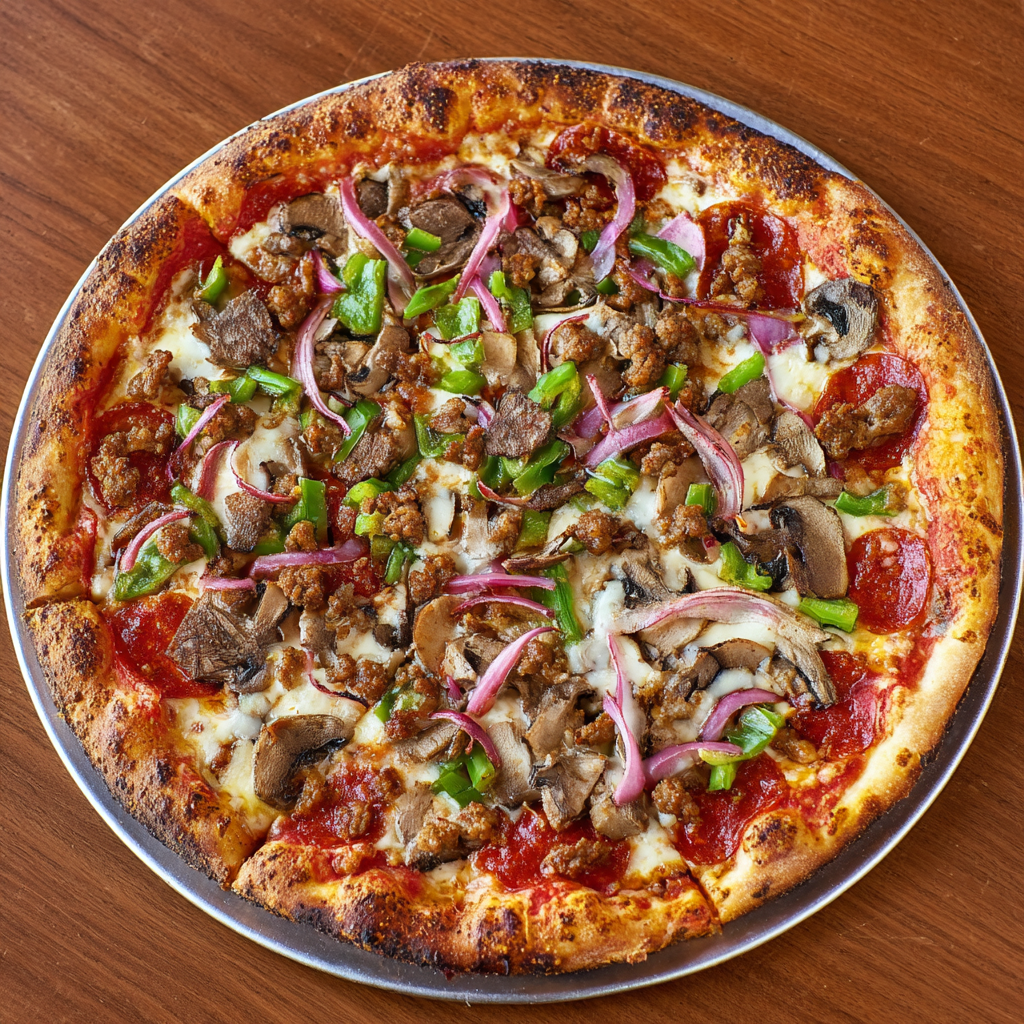
Artisan Pizza brings the pizzeria experience home, emphasizing quality, simplicity, and flavor. With a crisp, chewy crust, rich fire-roasted tomato sauce, perfectly melted cheese, and aromatic basil, this pizza delivers gourmet satisfaction in every bite. The flexibility in toppings, cheeses, and dough types allows you to customize the pizza for any occasion, from casual weeknight dinners to impressive dinner parties.
The process of making Artisan Pizza is rewarding, educational, and delicious. Stretching the dough, simmering the sauce, layering the cheese, and baking at high heat teach important culinary techniques while yielding a restaurant-quality result. This recipe is ideal for anyone seeking to elevate homemade pizza with minimal fuss but maximum flavor.
Once you master the basics, experimentation becomes the fun part—adding new toppings, herbs, or flavor combinations transforms each pizza into a unique creation. Artisan Pizza proves that gourmet food doesn’t have to be intimidating; with quality ingredients, attention to technique, and a touch of creativity, you can enjoy an authentic, delicious pizza experience any day of the week.