
Introduction to the Recipe
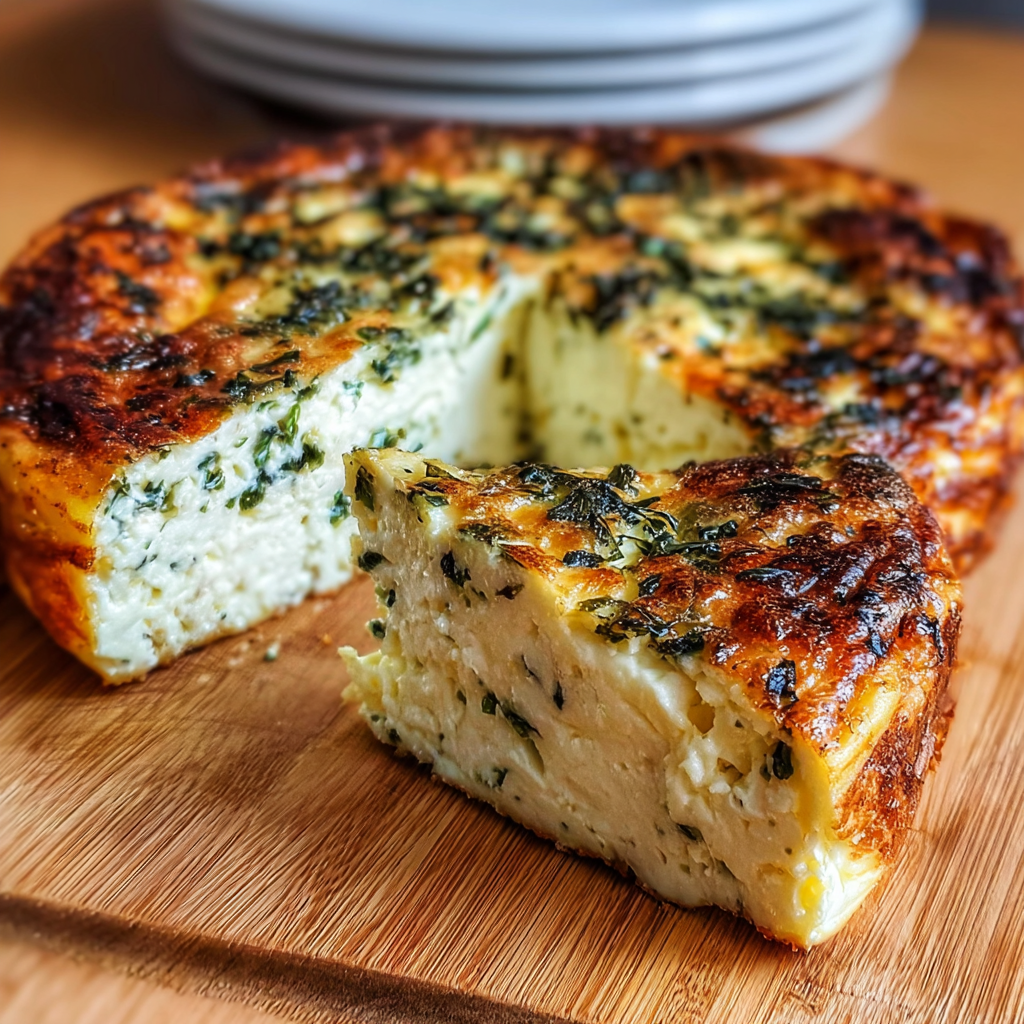
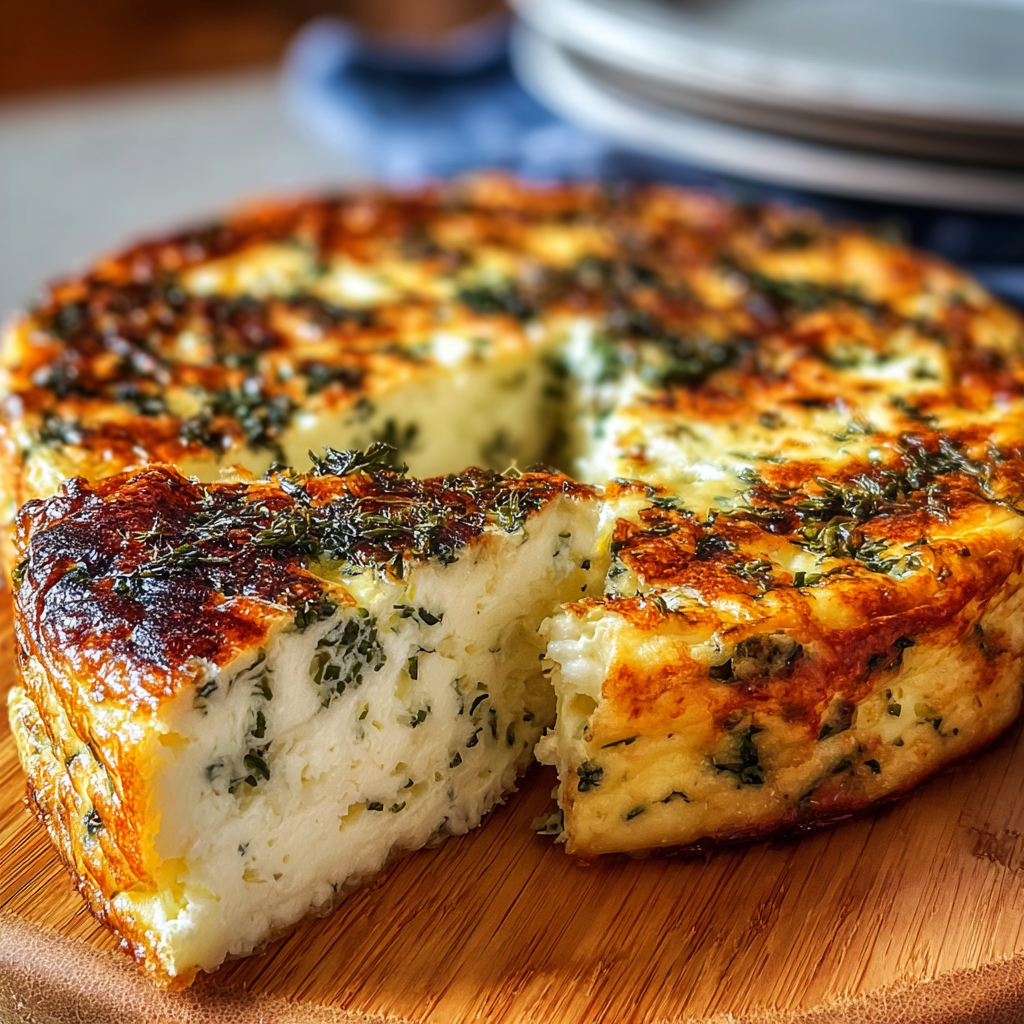
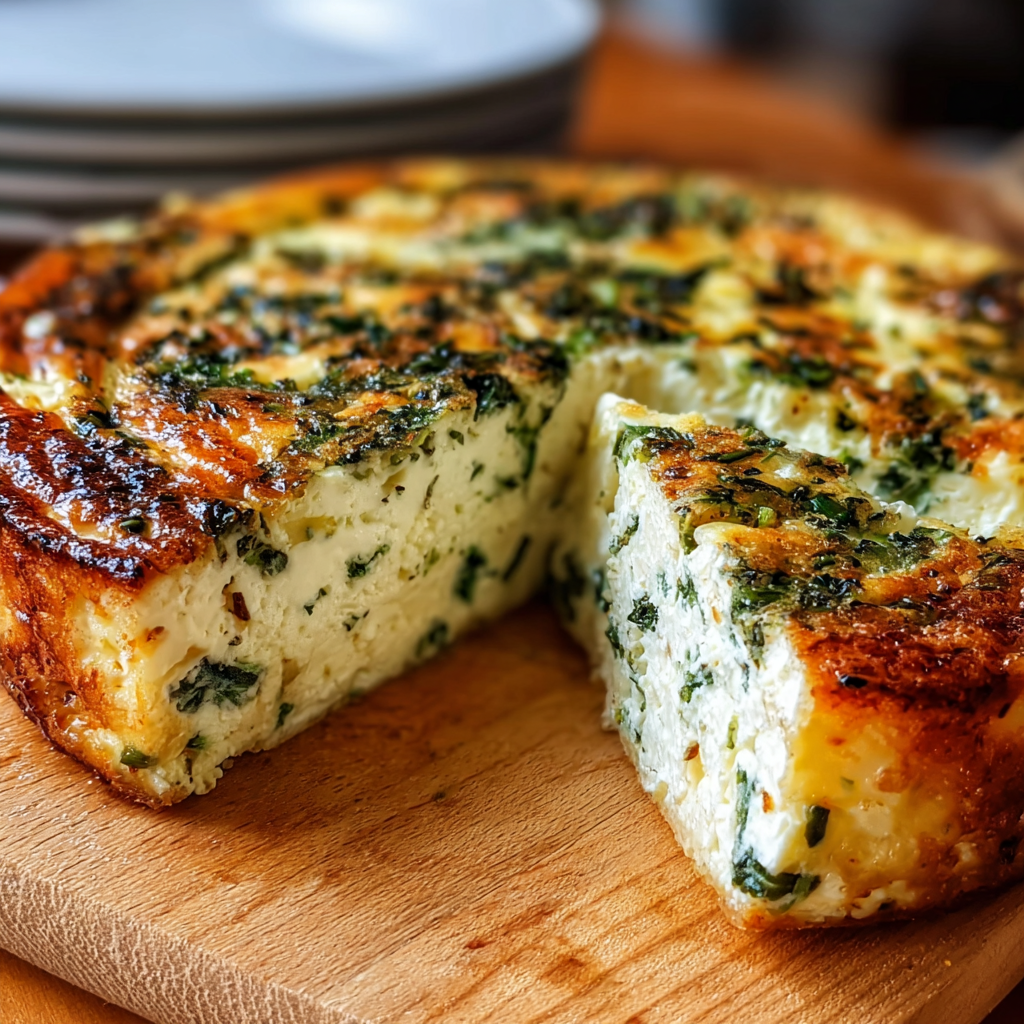
If you’re looking for a wholesome, protein-rich dish that’s simple to prepare, versatile, and perfect for breakfast, lunch, or a light dinner, this Cottage Cheese and Spinach Crustless Quiche is going to be a recipe you return to again and again. Unlike traditional quiches that rely on a buttery crust, this crustless version skips the extra calories while still delivering incredible flavor, a custard-like texture, and satisfying richness thanks to cottage cheese and two types of melty shredded cheese. Whether you’re meal prepping for the week ahead or cooking a nutritious brunch for family, this quiche offers convenience without sacrificing comfort.
The beauty of this recipe lies in its effortless assembly and clean ingredients. Cottage cheese brings a wonderful creaminess and a boost of protein that makes each slice filling and nourishing, while fresh baby spinach adds color, nutrients, and a mild earthiness that balances the richness of the cheese and eggs. If you’re new to using cottage cheese in baking or savory dishes, you might find this Healthline article helpful in understanding its nutritional benefits: https://www.healthline.com/nutrition/cottage-cheese. And if you love exploring more crustless quiche variations, The Spruce Eats offers excellent tips for perfecting quiche texture and flavor combinations: https://www.thespruceeats.com/how-to-make-crustless-quiche-995859.
This Cottage Cheese and Spinach Crustless Quiche doesn’t just taste amazing—it’s incredibly customizable. You can swap cheeses, change the vegetables, add meats, or adjust the spices to create a version that perfectly suits your taste. It also reheats beautifully, making it an ideal addition to any weekly meal rotation. Whether you enjoy it warm from the oven or cold straight from the fridge, this quiche is dependable, nourishing, and easy enough for cooks of any skill level. Get ready for a recipe that feels indulgent yet remains wonderfully nutritious and practical.
Basic Recipe: Ingredients & Instructions
Print
Cottage Cheese and Spinach Crustless Quiche Recipe
Description
Healthy, protein-packed Cottage Cheese and Spinach Crustless Quiche—easy, fluffy, and perfect for breakfast, brunch, or meal prep.
Ingredients
- 1 tablespoon olive oil
- 1 small onion, diced
- 1/2 bell pepper, diced
- 2 cups fresh baby spinach, chopped
- 1 1/2 cups cottage cheese
- 4 large eggs
- 1 cup shredded cheddar cheese (or half cheddar, half mozzarella)
- 1/2 cup milk
- 1/2 teaspoon garlic powder
- 1 teaspoon Italian seasoning
- Salt and pepper to taste
Instructions
- Preheat the Oven
Preheat your oven to 375°F (190°C). Grease a pie dish or baking dish with a light coating of oil or nonstick spray. - Sauté the Vegetables
Heat olive oil in a skillet over medium heat. Add diced onion and bell pepper. Cook until softened, about 4–5 minutes. - Add the Spinach
Stir in the chopped spinach and cook until wilted. Transfer the cooked vegetables to the prepared pie dish. - Mix the Wet Ingredients
In a mixing bowl, whisk together the cottage cheese, eggs, milk, garlic powder, Italian seasoning, salt, and pepper until well combined. - Add the Cheeses
Stir in the shredded cheddar (or cheddar-mozzarella blend). - Pour Over Vegetables
Pour the egg and cheese mixture evenly over the sautéed vegetables in the pie dish. - Bake to Perfection
Bake for 35–45 minutes, or until the center is set and the top is lightly golden. - Cool and Serve
Let cool for 10 minutes before slicing. Serve warm or room temperature.
Notes
For a smoother texture, blend the cottage cheese before mixing.
Add chili flakes for a spicy version.
Letting the quiche cool helps it firm up for cleaner slices.
Advanced Techniques
1. Blending Cottage Cheese for a Custard-Like Texture
If you prefer a silky, custard-style quiche rather than one with curds of cottage cheese throughout, blending the cottage cheese before adding it to the egg mixture makes all the difference. Using a blender or immersion blender, puree the cottage cheese until smooth. This technique not only transforms the texture but helps the quiche bake more uniformly. Blended cottage cheese also aerates slightly, adding a subtle lift that mimics the richness of heavy cream without the extra calories. The result is a luxuriously smooth quiche that tastes higher-end while maintaining its nutritious qualities.
2. Using a Water Bath for Even Baking
Although not required, baking your Cottage Cheese and Spinach Crustless Quiche in a water bath ensures gentle, even heat that prevents overcooking around the edges. This method is similar to baking cheesecake—place the pie dish inside a larger dish and add hot water halfway up the sides. The steam helps maintain moisture, giving the quiche a soft, custard-like center. It’s especially useful when using a glass baking dish, which tends to heat unevenly. This technique results in a beautifully tender quiche with no cracking or rubbery edges.
3. Sautéing Vegetables to Maximize Flavor
The sautéing step is crucial for developing flavor depth. Onions and bell peppers release natural sugars when cooked slowly, creating a subtle sweetness that complements the tangy cottage cheese. Wilted spinach also integrates better into the egg mixture than raw spinach, which can release water and create sogginess. For added flavor, deglaze the pan with a splash of white wine or broth before adding the veggies to the dish. This incorporation of savory aromatics elevates the quiche from simple to gourmet.
4. Layering Ingredients for Texture Control
How you layer ingredients affects the final mouthfeel. Adding vegetables first ensures a foundation that prevents sogginess, as they release moisture downward rather than mixing unevenly through the custard. If you prefer a quiche with more texture, leave the vegetables chunkier; for a smoother finish, chop them finely. Adding cheese directly into the egg mixture ensures even melt distribution, but sprinkling a little cheese on top before baking creates a delicious golden crust. Layering strategically gives you full control over texture.
5. Enhancing Flavor with Cheese Combinations
Cheddar is classic, but mixing cheeses creates a more complex flavor profile. Pair cheddar with Swiss or Gruyère for nutty notes, or add a small amount of Parmesan for saltiness and depth. Mozzarella melts smoothly and adds stretch, creating a softer texture. A small amount of smoked cheese can add richness without needing meat. The key is balancing strong cheeses with mild ones so they complement rather than overpower the delicate spinach and eggs. Cheese blending transforms a simple quiche into an elevated dish with artisan-quality flavor.
Storage, Shelf Life & Maintenance Tips
1. Refrigerating the Quiche for Optimal Freshness
Once cooled completely, store your quiche in an airtight container in the refrigerator for up to 4 days. Cooling is important because sealing it while warm traps steam, which leads to excess moisture and sogginess. You can refrigerate the whole quiche or portion it into slices for easier reheating. When properly stored, the flavors deepen over time, often making leftover slices even more delicious the next day.
2. Freezing for Long-Term Storage
Crustless quiches freeze extremely well. After baking, cool completely, then wrap individual slices tightly in plastic wrap before placing them in a freezer-safe bag. They can be frozen for up to 2 months. To reheat, thaw overnight in the refrigerator and warm in the oven at 325°F until heated through. The protein-rich cottage cheese holds its structure beautifully even after freezing, making this recipe ideal for meal prep.
3. Preventing Moisture Build-Up
Because spinach and cottage cheese contain water, moisture can accumulate during storage. To prevent this, place a folded paper towel inside the storage container to absorb excess condensation. Replace as needed. When reheating, baking in the oven instead of microwaving helps evaporate any extra moisture and restores the quiche’s original texture. This simple trick keeps leftovers tasting fresh.
4. Reheating Without Drying Out
To avoid rubbery eggs or dried-out edges, reheat quiche low and slow. Oven reheating at 300–325°F ensures gentle warming without overcooking. Cover the quiche with foil to prevent the top from browning further. If using the microwave, heat on 50% power in 30-second intervals. Adding a tiny splash of milk to the plate before reheating helps restore moisture beautifully.
5. Storing the Quiche Before Baking
If you’d like to prepare the quiche in advance but bake it later, store the unbaked mixture in the refrigerator for up to 12 hours. Simply cover the pie dish tightly with plastic wrap. Give the mixture a gentle stir before baking to redistribute ingredients. This method is great for early-morning breakfasts or holiday brunches, allowing you to bake fresh with minimal effort.
Dietary Adaptations & Substitutions
1. Low-Carb / Keto Adaptation
This recipe is naturally low in carbohydrates, but you can make it even more keto-friendly by using full-fat dairy products. Replace milk with heavy cream and choose high-fat cheeses like cheddar, Swiss, or Monterey Jack. Add in low-carb vegetables such as mushrooms or zucchini. The cottage cheese provides protein and fat, making this an ideal high-fat, low-carb meal that fits keto guidelines perfectly.
2. Gluten-Free Version
This quiche is naturally gluten-free, but cross-contamination is something to keep in mind if preparing for someone with sensitivity or celiac disease. Ensure all cheeses and spices are certified gluten-free. If adding any meats, verify that they contain no fillers. Using a glass or ceramic baking dish also avoids issues with old pans that may hold gluten residue. With minimal adjustments, this becomes a completely safe gluten-free meal.
3. Dairy-Free Adaptation
To make a dairy-free version, replace cottage cheese with a soy- or almond-based cottage cheese substitute, now widely available. Use dairy-free milk such as oat or almond milk and choose vegan shredded cheese that melts well. Add a tablespoon of nutritional yeast to enhance the cheesy flavor. This adaptation maintains the texture and richness of the original while keeping it fully dairy-free.
4. Vegetarian & High-Protein Variation
The recipe is naturally vegetarian, but you can boost protein by adding plant-based ingredients like chickpeas or tofu cubes. Blending soft tofu with the eggs creates a fluffier, richer custard. Adding mushrooms, broccoli, or roasted peppers also increases nutritional value while contributing savory depth. This version is ideal for vegetarians looking to increase their protein intake without relying on meat substitutes.
5. Reduced-Fat / Weight-Conscious Version
To lighten the quiche, use low-fat cottage cheese, skim milk, and reduced-fat shredded cheese. Replace some or all of the cheese with extra vegetables, such as zucchini or tomatoes, which add volume and moisture without extra calories. This variation maintains flavor while trimming richness, resulting in a lighter, more calorie-conscious meal perfect for healthy eating goals.
FAQs About the Recipe
1. Why did my quiche come out watery?
Excess moisture often comes from vegetables that haven’t been fully cooked before baking. Spinach especially needs to be wilted and drained properly. Cottage cheese can also introduce water, but blending or using a higher-fat version helps maintain structure. Additionally, underbaking can leave the center runny—ensure it’s set and slightly firm when removing from the oven. Resting the quiche helps moisture redistribute evenly.
2. Can I use frozen spinach?
Yes, frozen spinach works well as long as it is fully thawed and drained. Press out as much water as possible using a towel or strainer. Frozen spinach actually provides more concentrated flavor and nutrients, making it an excellent substitute. Adjust seasoning slightly, as frozen spinach can have a stronger earthy taste.
3. Can I make this quiche without cottage cheese?
Absolutely. Substitute cottage cheese with ricotta, Greek yogurt, or blended silken tofu. Ricotta offers a milder, creamier texture, while Greek yogurt adds tang and protein. Silken tofu creates a dairy-free option with a smooth, custard-like finish. The key is maintaining moisture and creaminess so the quiche bakes evenly.
4. How can I make this quiche more filling?
Add proteins like diced cooked chicken, bacon, turkey sausage, or plant-based sausage. Extra vegetables such as potatoes, mushrooms, or broccoli also add bulk. Switching to full-fat dairy increases richness and satiety. This recipe adapts easily, so adding heartier ingredients will create a more substantial meal.
5. What should I serve with this quiche?
This crustless quiche pairs beautifully with light sides such as mixed greens, fruit salad, roasted vegetables, or a simple tomato and cucumber salad. For breakfast, pair it with toast, hash browns, or fresh berries. For dinner, serve alongside soup or grains like quinoa. The versatile flavor profile works with many sides.
Conclusion & Final Thoughts
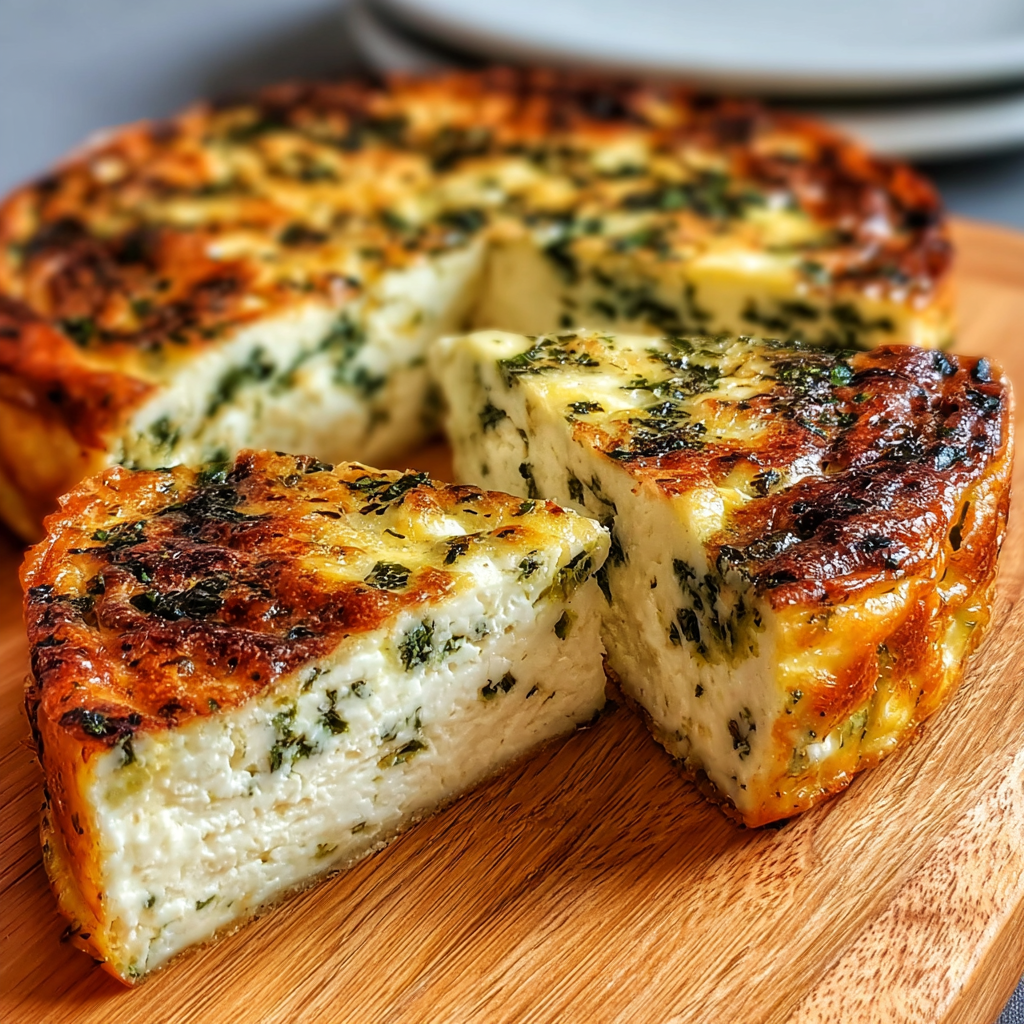
This Cottage Cheese and Spinach Crustless Quiche is everything a home cook could want in a reliable, nourishing, and versatile recipe. It combines the comfort of a classic quiche with the lightness of a crustless preparation, all while packing in protein, vegetables, and rich flavors that satisfy at any time of day. Whether you’re preparing a quick breakfast, a wholesome brunch, a convenient meal-prep dish, or a simple dinner, this quiche fits beautifully into your routine.
The blend of cottage cheese, eggs, spinach, and melty cheddar creates a wonderfully balanced dish that’s creamy yet light, flavorful yet uncomplicated. Its adaptability makes it ideal for households with diverse dietary preferences—you can easily make it vegetarian, low-carb, gluten-free, dairy-free, or protein-packed depending on your needs. It also stores exceptionally well, reheats beautifully, and offers countless variations, allowing you to reinvent the dish each time you make it.
What makes this quiche truly special is how it transforms simple, everyday ingredients into something that feels both comforting and nourishing. It’s a recipe that proves healthy cooking doesn’t have to be bland or complicated—sometimes, the most satisfying meals come from the simplest ingredient combinations handled with care. Whether you’re savoring it warm from the oven or enjoying a chilled slice for a quick lunch, this quiche delivers flavor, nutrition, and convenience in every forkful.