
1. Introduction to the Recipe
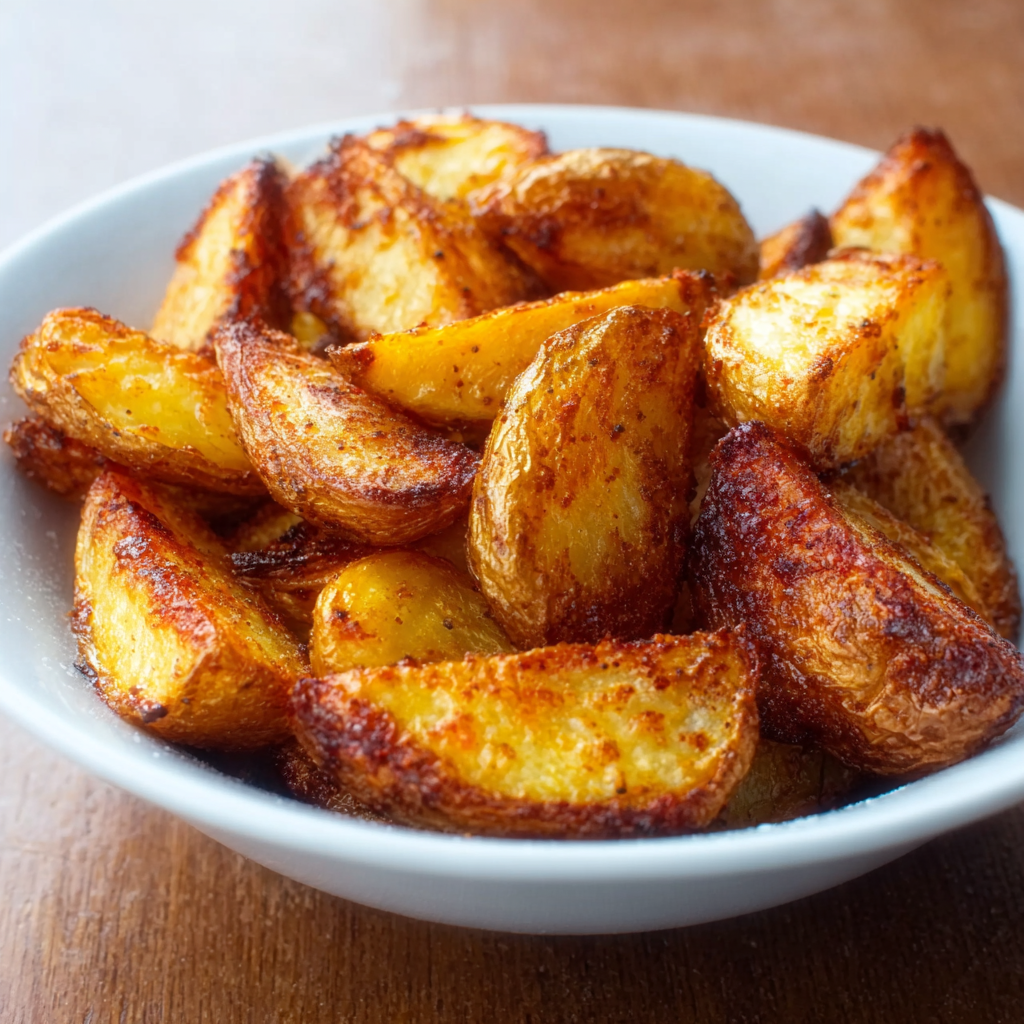
There are roast potatoes—and then there are Duck Fat Potatoes. This classic preparation transforms humble potatoes into something deeply indulgent, shatteringly crisp on the outside, and irresistibly fluffy within. Roasted in rich duck fat, these potatoes develop a depth of flavor that ordinary oils simply cannot replicate. Whether you’re preparing a celebratory Sunday roast, a festive holiday dinner, or just craving the ultimate comfort food side dish, Duck Fat Potatoes deliver unforgettable results every time.
What makes this recipe so special is its simplicity. With just potatoes, duck fat, salt, and pepper, you’re able to achieve restaurant-quality results in your own kitchen. Duck fat has a high smoke point and a naturally savory flavor, which means it crisps potatoes beautifully while infusing them with a subtle richness that doesn’t overpower. If you’ve ever wondered why the best bistros serve potatoes that taste impossibly good, duck fat is often the secret.
This dish also connects beautifully to traditional European cooking, especially French and British roast traditions. If you’re interested in exploring more potato techniques, you may enjoy this guide to perfect roast potatoes or learning more about cooking with duck fat. Both resources complement this recipe and deepen your understanding of why Duck Fat Potatoes are so beloved.
Naturally optimized for both flavor and texture, Duck Fat Potatoes are endlessly versatile. They pair perfectly with roast duck, beef, chicken, or even a hearty vegetarian main. Once you try them, they’ll quickly become your go-to potato recipe for special occasions—and even weeknight indulgence.
2. Basic Recipe: Ingredients and Instructions
Print
Duck Fat Potatoes: Crispy, Golden Roast Potatoes Perfected
Description
Crispy, golden Duck Fat Potatoes made with simple ingredients for rich flavor, perfect texture, and restaurant-quality results at home.
Ingredients
- 4 tablespoons cold duck fat (or rendered fat from a duck roasting tray)
- 1 kg white potatoes, peeled and cut into 50 g / 1¾ oz pieces
- Salt, to taste
- Freshly ground black pepper, to taste
Instructions
- Preheat the oven
Preheat your oven to 220°C (425°F). Place a sturdy roasting tray inside the oven to heat while you prepare the potatoes. - Parboil the potatoes
Add the potato pieces to a large pot of cold, salted water. Bring to a boil and cook for 8–10 minutes until the edges begin to soften. - Roughen the edges
Drain the potatoes thoroughly, then shake them gently in the colander or pot to rough up the edges. This step creates extra surface area for crisping. - Heat the duck fat
Carefully remove the hot roasting tray from the oven and add the duck fat. Return the tray to the oven for 2–3 minutes until the fat is shimmering. - Roast the potatoes
Add the potatoes to the tray, turning them carefully to coat in the hot fat. Sprinkle generously with salt and pepper. - Cook until golden
Roast for 45–55 minutes, turning once or twice, until deeply golden and crisp.
Notes
Always start with cold duck fat for better rendering.
Do not overcrowd the tray—space ensures crispness.
Season again immediately after roasting for maximum flavor.
3. Advanced Techniques
Bolded Headings
Choosing the Right Potato Variety
Not all potatoes are created equal when making Duck Fat Potatoes. Floury or starchy varieties such as Maris Piper, King Edward, or russet potatoes are ideal. These potatoes have lower moisture content and higher starch levels, allowing them to crisp beautifully while remaining fluffy inside. Waxy potatoes tend to hold their shape but won’t achieve the same crunchy exterior. Selecting the right potato ensures the duck fat clings effectively and creates that signature crust associated with exceptional roast potatoes.
Infusing the Duck Fat with Aromatics
To elevate your Duck Fat Potatoes, infuse the fat with aromatics before roasting. Gently warm the duck fat with crushed garlic cloves, thyme, or rosemary, then strain before using. This technique subtly perfumes the potatoes without burning herbs in the oven. Infused duck fat adds complexity while maintaining the purity of the potato flavor, making the dish feel refined and intentional.
The Importance of Steam-Drying
After draining the parboiled potatoes, allow them to steam-dry for several minutes. Excess moisture is the enemy of crispness. This step evaporates surface water and allows the duck fat to adhere more efficiently. Professional kitchens rely on this simple technique to ensure potatoes roast rather than steam in the oven.
High-Heat Fat Activation
Heating the duck fat until shimmering before adding potatoes is crucial. This instant sizzle begins crisping immediately, locking in texture. If the fat isn’t hot enough, the potatoes absorb grease instead of roasting properly. Always preheat both tray and fat together for consistent results.
Controlled Turning for Even Browning
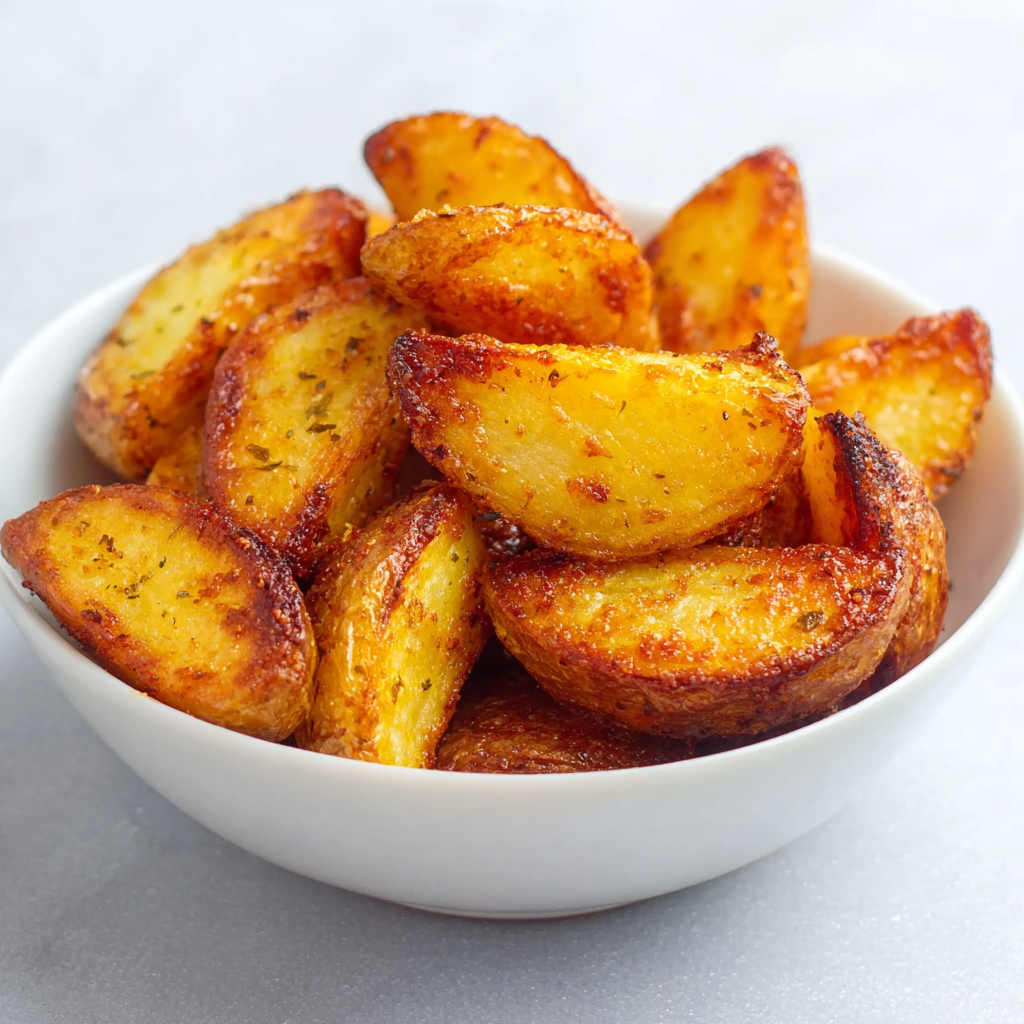
Resist the urge to constantly stir. Turning the potatoes only once or twice allows a thick crust to form. Frequent movement breaks the crisp exterior. Patience yields superior texture and visual appeal.
4. Storage, Shelf Life, and Maintenance Tips
Short-Term Refrigeration
Store leftover Duck Fat Potatoes in an airtight container in the refrigerator for up to 3 days. Allow them to cool completely before sealing to prevent condensation, which can soften their crisp exterior. When reheating, use an oven or air fryer instead of a microwave for best results.
Freezing Considerations
While freezing is possible, texture will suffer slightly. Freeze fully cooked and cooled potatoes in a single layer before transferring to a freezer bag. Reheat directly from frozen in a hot oven to restore some crispness.
Reheating for Maximum Crispness
Reheat at 200°C (400°F) on a preheated tray. Adding a small spoon of duck fat can revive flavor and texture. Avoid microwaves, as they cause sogginess.
Avoiding Moisture Build-Up
Never cover hot potatoes tightly. Trapped steam softens the crust. Vent containers or wait until fully cooled before storing.
Food Safety Awareness
Duck fat is stable, but always check for off smells or discoloration. Proper storage extends shelf life and preserves flavor integrity.
5. Dietary Adaptations and Substitutions
Vegetarian Alternative Using Goose Fat or Butter
While duck fat is traditional, goose fat or clarified butter offers similar richness for non-duck eaters. Butter should be clarified to prevent burning at high heat.
Vegan Adaptation with Plant-Based Fats
Use refined coconut oil or high-oleic sunflower oil for a vegan-friendly version. Though flavor differs, texture remains excellent.
Low-Fat Version
Reduce fat quantity slightly and rely on higher oven heat and roughened potato edges. Crispness will be lighter but still enjoyable.
Salt-Restricted Diets
Enhance flavor with herbs, cracked pepper, or garlic rather than salt. Infused fats help compensate for reduced seasoning.
Allergen-Free Simplicity
This recipe is naturally gluten-free and nut-free, making Duck Fat Potatoes suitable for many dietary needs with minimal adjustment.
6. FAQs About the Recipe
Why Use Duck Fat Instead of Oil?
Duck fat offers superior flavor and crisping due to its fat composition. It coats potatoes evenly and withstands high heat better than many oils.
Can I Prepare Them in Advance?
Yes. Parboil and roughen potatoes earlier in the day, then roast just before serving for best texture.
Why Aren’t My Potatoes Crispy?
Common issues include overcrowding, insufficient fat heat, or excess moisture. Follow each step carefully for guaranteed crispness.
Can I Add Herbs Directly?
Add herbs in the final 10–15 minutes to prevent burning while still infusing flavor.
Are Duck Fat Potatoes Greasy?
When done correctly, they’re crisp—not greasy. Proper heat and spacing ensure fat roasts rather than soaks.
7. Conclusion & Final Thoughts
Duck Fat Potatoes represent everything we love about classic comfort food—simple ingredients, thoughtful technique, and extraordinary results. This recipe proves that you don’t need complicated methods or long ingredient lists to create something truly memorable. With just potatoes, duck fat, and seasoning, you achieve a dish that feels luxurious yet grounded in tradition.
What truly sets Duck Fat Potatoes apart is their versatility. They shine alongside roast meats, elevate holiday spreads, and even stand proudly on their own with a simple green salad. Their crisp exterior and fluffy interior offer textural contrast that appeals to nearly everyone at the table. Whether you’re cooking for family, guests, or simply treating yourself, this recipe consistently delivers.
By understanding the techniques—proper potato selection, parboiling, fat temperature, and spacing—you gain skills transferable to countless other dishes. These potatoes are more than a side; they’re a lesson in how thoughtful cooking transforms everyday ingredients into something exceptional.
If you’re seeking a reliable, impressive, and deeply satisfying potato recipe, Duck Fat Potatoes are the answer. Once you master them, they’ll become a permanent part of your culinary repertoire—requested often, remembered fondly, and enjoyed thoroughly.