
1. Introduction to the Recipe
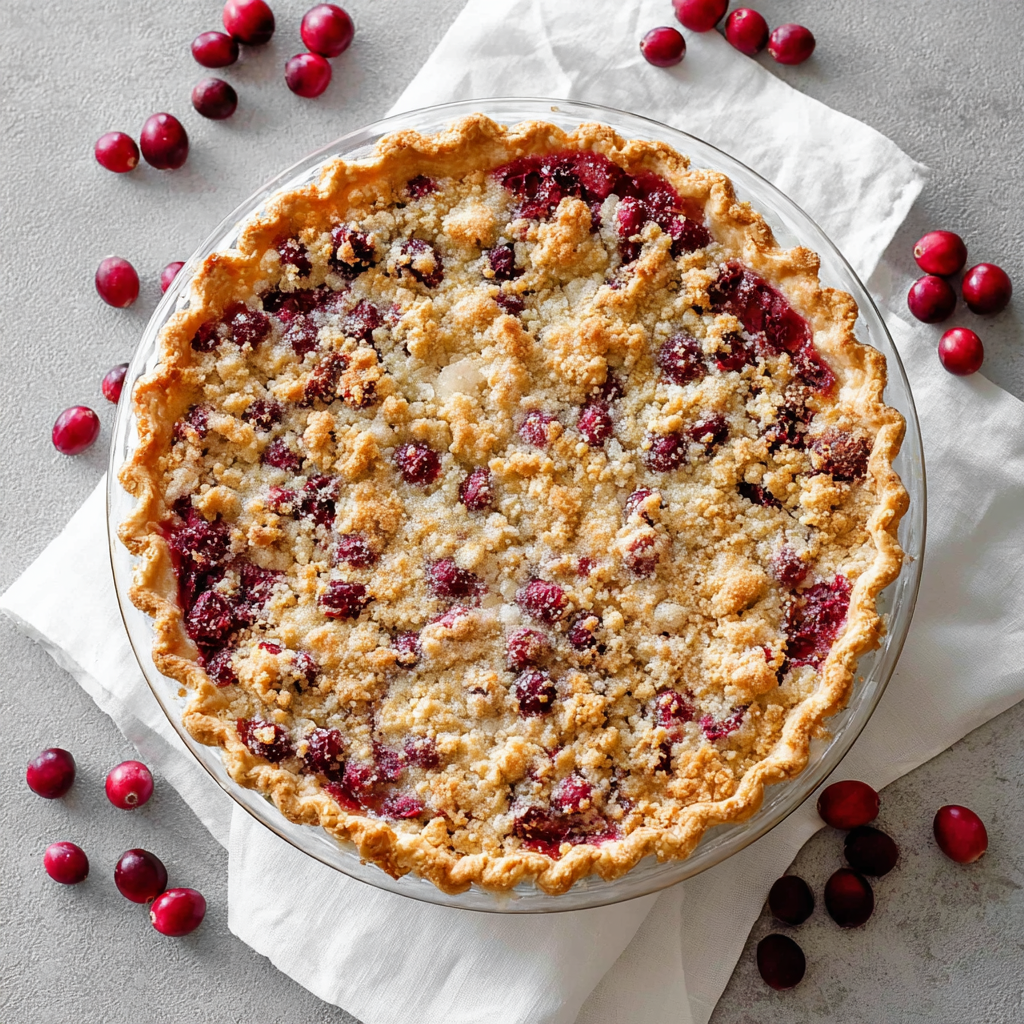
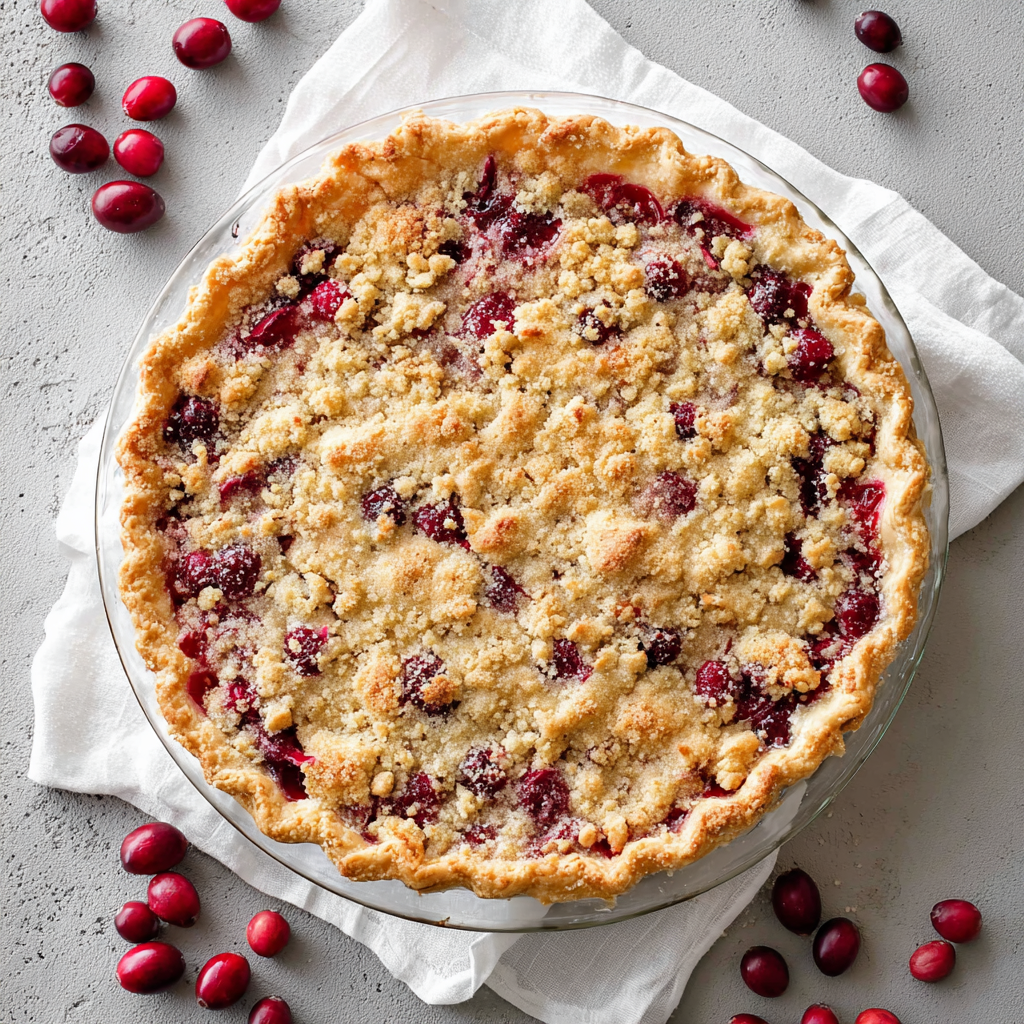
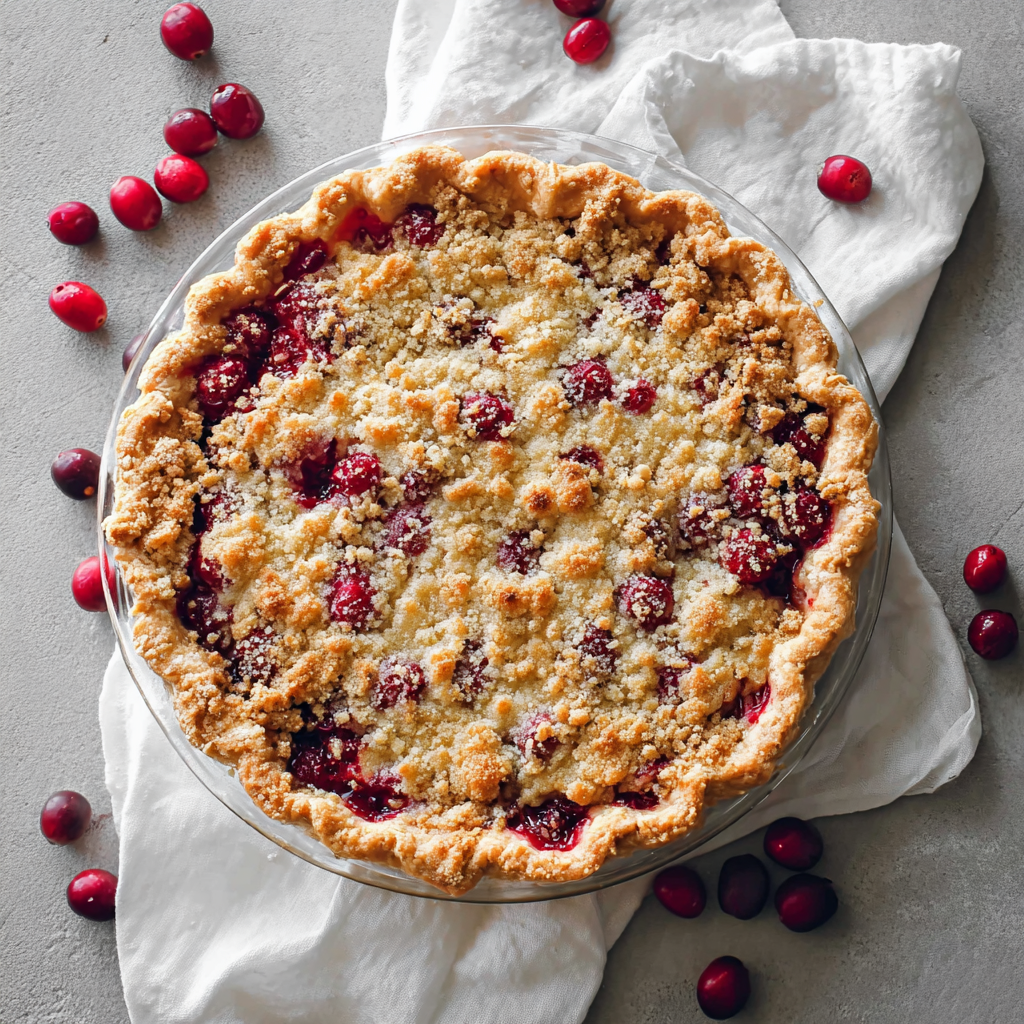
A beautifully balanced dessert can elevate any celebration, and this cranberry custard pie is a perfect example of how contrasting flavors create harmony. Sweet, creamy custard meets bright, tangy cranberry—resulting in a pie that’s festive, elegant, and surprisingly simple to prepare. This recipe strikes a delightful balance between richness and freshness, making it ideal for winter holidays, fall gatherings, or any time you want something that feels both cozy and sophisticated. The homemade butter crust adds another layer of texture and depth, providing a crisp, flaky base that supports the velvety custard and jewel-toned cranberry layer on top.
One of the reasons this cranberry custard pie is such a standout dessert is its versatility. The custard bakes into a silky, smooth center, while the cranberries reduce into a glossy, ruby filling that cuts through the richness. This interplay of flavors keeps each bite interesting and avoids the heaviness that custard-only desserts can sometimes carry. If you enjoy learning about baking techniques such as blind-baking, custard setting, or fruit reduction, this recipe will give you the perfect opportunity to practice and refine those skills. You can also explore other cranberry-based desserts or study how to perfect pie dough through expert guides online.
To dive deeper into pie crust methods or cranberry cooking techniques, you might find these resources helpful:
- https://www.kingarthurbaking.com/learn/guides/pie-crust
- https://www.oceanspray.com/en/Recipes/About-Cranberries/Cooking-with-Cranberries
Whether you’re planning a holiday table centerpiece or simply craving something seasonal and comforting, this cranberry custard pie delivers in both flavor and aesthetics. It’s a dessert that looks impressive, tastes incredible, and offers a satisfying baking experience from start to finish.
2. Basic Recipe: Ingredients and Instructions
Print
Cranberry Custard Pie (Homemade Holiday Dessert)
Description
A festive cranberry custard pie with silky filling and bright cranberry topping, perfect for holiday gatherings and seasonal baking.
Ingredients
For the Pie Crust
- 1 ½ cups all-purpose flour, plus more for dusting
- ½ teaspoon salt
- ½ cup (1 stick) cold unsalted butter, cubed
- 4–6 tablespoons ice water
For the Cranberry Filling
- 12 ounces fresh or frozen cranberries
- ¾ cup granulated sugar
- ½ cup water
- 1 tablespoon lemon juice
- 1 teaspoon orange zest
For the Custard
- 4 large eggs
- ½ cup granulated sugar
- ½ teaspoon vanilla extract
- ⅛ teaspoon ground nutmeg
- 2 cups heavy cream
- 2 tablespoons all-purpose flour
Instructions
1. Prepare the crust.
Combine flour and salt. Cut in cold butter until the mixture resembles coarse crumbs. Add ice water gradually until the dough comes together.
2. Chill and roll.
Form dough into a disc, wrap, and chill 30 minutes. Roll out on a floured surface and fit into a pie dish.
3. Blind bake.
Dock crust with a fork, line with parchment and pie weights, and bake at 375°F for 12–15 minutes. Remove weights and bake 5 minutes more.
4. Make the cranberry filling.
Simmer cranberries, sugar, water, lemon juice, and orange zest until berries burst and mixture thickens. Cool slightly.
5. Prepare the custard.
Whisk eggs, sugar, vanilla, nutmeg, cream, and flour until smooth.
6. Layer and bake.
Spread cranberry mixture evenly in the crust. Pour custard over top. Bake at 350°F for 35–45 minutes until center is just set.
7. Cool and serve.
Let the pie cool completely before slicing to ensure clean cuts.
Notes
Chill dough thoroughly to ensure flakiness.
If cranberries taste too tart, add 1–2 tablespoons sugar.
Pie is best refrigerated at least 4 hours before serving.
3. Advanced Techniques
1. Mastering the Flakiest Butter Pie Crust
A rich, flaky pie crust is the foundation of an exceptional cranberry custard pie. The key is maintaining cold butter throughout the process. When tiny butter pockets melt in the oven, they release steam, creating flaky layers. Work quickly and handle the dough minimally to prevent warming. Using a pastry cutter or grater ensures evenly distributed butter. Incorporating just enough ice water is essential—too much and the dough becomes tough, too little and it cracks. Resting the dough prevents shrinkage and allows the gluten to relax, giving your crust that bakery-quality finish.
2. Building a Perfect Cranberry Reduction
Cranberries require proper reducing techniques to achieve the ideal balance of tartness and sweetness. Simmering them gently allows the berries to burst slowly, releasing pectin that naturally thickens the filling. Adding a splash of lemon juice brightens the flavor, while orange zest layers in warmth and complexity. Reduce until the mixture coats the back of a spoon—too thin and it will bleed into the custard, too thick and it becomes jammy. This controlled reduction ensures your cranberry custard pie has a vibrant, jewel-like layer with a balanced flavor profile.
3. Achieving Silky, Stable Custard
Custard can be tricky, but mastering it elevates this pie. Whisking the eggs gently prevents incorporating too much air, which can cause bubbles or uneven baking. Flour helps stabilize the custard, preventing curdling. Baking at a moderate temperature ensures the custard sets slowly and evenly. Remove the pie from the oven when the center still jiggles slightly—carryover heat finishes the job. This technique gives you a luxurious, smooth custard that pairs beautifully with the tang of the cranberry layer.
4. Preventing Soggy Crust Syndrome
Blind-baking is essential because custards naturally introduce moisture. By pre-baking the crust with pie weights, you prevent puffing and ensure a fully cooked base. For extra insurance, brush the hot crust with a thin layer of egg white to create a moisture barrier. This helps the crust stay crisp even after adding the custard and cranberry mixture. Following these steps results in a crust that remains firm and flaky from first slice to last.
5. Enhancing Flavor with Subtle Spices
Ground nutmeg is traditional, but you can deepen the flavor with a pinch of cinnamon, cardamom, or vanilla bean seeds. These warm spices complement the cranberry’s tartness while elevating the custard’s creamy richness. Avoid overpowering the pie, though—this dessert shines through balance. Infusing the cream with spices before mixing adds a sophisticated depth while keeping the flavor elegant and not overly sweet.
4. Storage, Shelf Life, and Maintenance Tips
1. Proper Refrigeration for Best Texture
Custard pies require refrigeration to maintain food safety and preserve texture. Store your cranberry custard pie tightly covered in the refrigerator for up to four days. Cooling the pie before covering prevents condensation, which can lead to sogginess. The cranberry layer actually intensifies in flavor after resting overnight, making the pie even better the next day.
2. Freezing the Pie Successfully
While some custard pies don’t freeze well, this one can—if done carefully. Freeze the pie without the cranberry layer for best results, adding it after thawing. Wrap tightly in plastic and foil to prevent freezer burn. Thaw in the refrigerator overnight. The crust maintains crispness, and the custard retains its creamy structure. Add fresh cranberry reduction on top before serving.
3. Reheating Without Ruining Custard
Custard should never be reheated at high temperatures. If you want to slightly warm slices, heat them in a low-temperature oven (about 250°F) for 5–8 minutes. Avoid microwaves, which can cause the custard to curdle. Gently warming enhances flavors without compromising texture.
4. Preventing Crust Softening Over Time
To keep the crust firm, avoid storing uncovered. Custard absorbs odors easily, and the crust absorbs moisture. Placing a paper towel between the pie plate and plastic wrap can absorb extra humidity. If your crust softens slightly after two or three days, crisp slices briefly in a 300°F oven.
5. Maintaining Cranberry Gloss and Freshness
The cranberry layer can lose sheen after refrigeration. To restore brightness, warm a tablespoon of cranberry jelly or honey and brush it lightly over the top before serving. This keeps the tart layer looking glossy and appealing without altering flavor significantly.
5. Dietary Adaptations and Substitutions
1. Gluten-Free Options
Simply swap the all-purpose flour in the crust with a gluten-free baking blend formulated for pastry. Add one teaspoon xanthan gum if your blend doesn’t include it. The custard itself is naturally gluten-free, but replace the 2 tablespoons flour with cornstarch to prevent thickening issues. You’ll achieve a nearly identical texture with minimal changes.
2. Dairy-Free Adaptation
To make a dairy-free cranberry custard pie, replace butter with vegan butter and swap heavy cream for coconut cream or a barista-style oat cream. Coconut cream adds richness without overwhelming flavor. For best results, choose a thick, high-fat substitute to replicate the silkiness of traditional custard.
3. Low-Sugar Variation
Reduce sugar in both the custard and cranberry layer by 25–30%. Use a sugar substitute like erythritol in the custard; however, avoid in the cranberry layer since sugar affects texture. Instead, rely on more orange zest and a touch of honey for a natural balance.
4. Egg-Free Custard Version
Egg-free custard can be achieved using cornstarch and full-fat coconut milk. Heat until thickened, then pour into the baked crust and chill until firm. Add the cooled cranberry layer on top. It won’t be traditional, but it creates a delicious creamy pie.
5. Vegan-Friendly Adjustments
Combine the gluten-free and dairy-free suggestions while replacing eggs with a vegan custard base made from silken tofu blended with sugar, vanilla, and cornstarch. Bake until just set. The cranberry layer remains naturally vegan.
6. FAQs About the Recipe
1. Why did my custard crack?
Cracking occurs when custard is overbaked or baked at too high a temperature. Remove the pie when the center still wobbles. Cooling slowly also prevents cracks. Using a water bath is another technique to promote even heat distribution, though not required.
2. Can I use dried cranberries?
Dried cranberries won’t work as a direct replacement because they lack moisture and acidity. Fresh or frozen cranberries provide structure and tartness. If fresh are unavailable, frozen work perfectly—no thawing needed.
3. How do I know the custard is done?
The edges will be set, and the middle should jiggle slightly like gelatin. A knife inserted near the edge should come out clean, but the center should remain soft. Overbaking leads to rubbery texture.
4. Why is my crust shrinking?
Crust shrinkage usually means the dough was overworked or not chilled enough. Resting and proper blind-baking help prevent this. Weight placement matters—fill the crust fully to the top with pie weights.
5. Can I make this pie ahead?
Yes—this pie is excellent for make-ahead baking. Prepare it the night before and refrigerate. The flavors meld beautifully, and the cranberry layer remains vibrant.
7. Conclusion & Final Thoughts
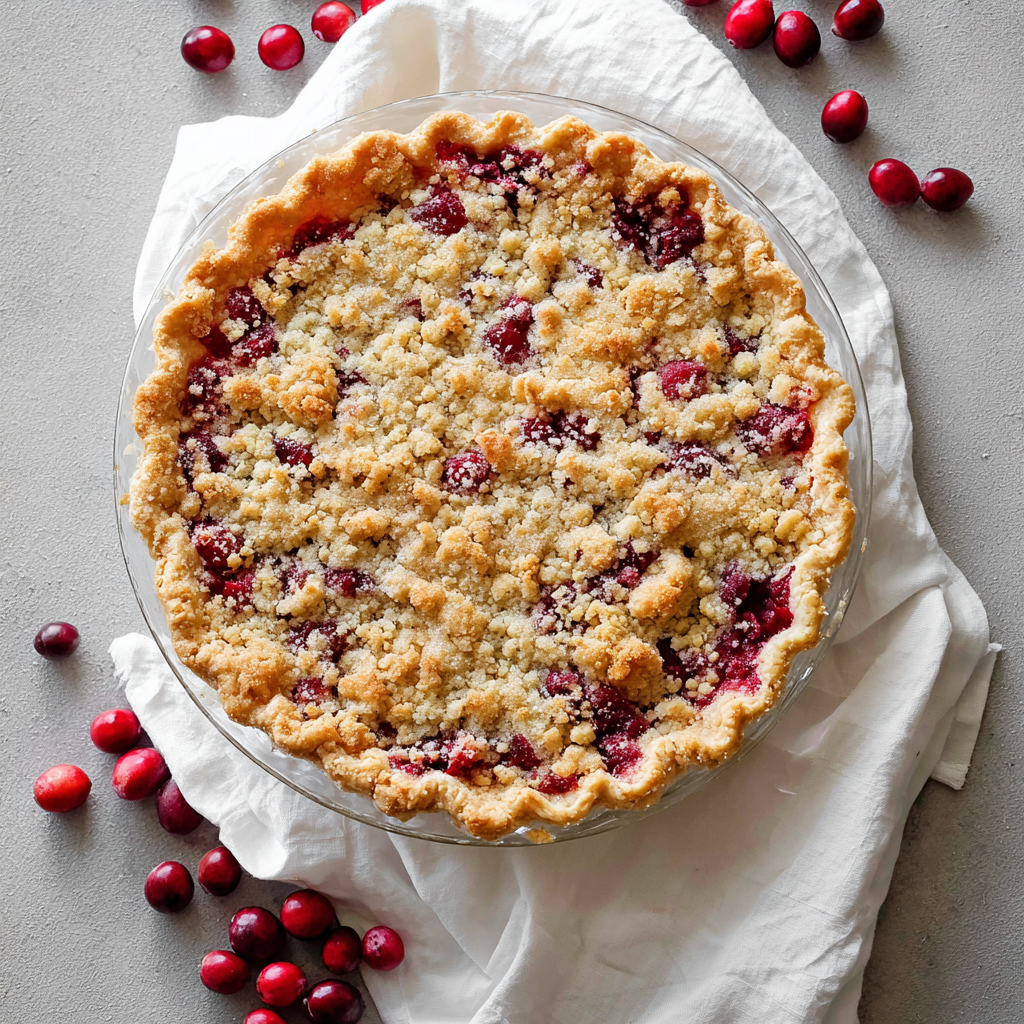
This cranberry custard pie is a stunning celebration of textures and flavors, blending sweet creaminess with bright, tangy fruit for a dessert that truly stands out. With a homemade buttery crust and beautifully layered filling, each slice offers a satisfying balance of richness and freshness. Whether you’re preparing it for a festive holiday table, a winter gathering, or simply because you love cranberry-forward desserts, this recipe brings warmth, color, and elegance to every occasion.
Beyond its irresistible flavors, this pie offers rewarding baking techniques that home cooks can carry forward—perfecting custard, mastering pie crusts, and developing fruit reductions. These skill-building steps not only enhance this dessert but elevate your overall baking confidence. And thanks to its versatility, the cranberry custard pie adapts beautifully to dietary needs, flavor customizations, and various serving styles.
As it cools and the custard sets, the flavors deepen, making it a dish that tastes even better with time. It’s the kind of dessert that invites conversation, nostalgia, and appreciation for seasonal cooking. Served with whipped cream, vanilla ice cream, or simply on its own, this cranberry custard pie becomes the centerpiece of any gathering. Its combination of vibrant color, creamy texture, and bright fruit flavor makes it an unforgettable addition to your recipe collection—one that’s sure to become a cherished seasonal tradition.